




Eats
*Tips for Reservations
Tablecheck and Omakase will get you quite far to reserve on your own (similar to Resy and OpenTable).
High end restaurant reservations in Tokyo often require a hotel concierge or local number to make a reservation. For upscale restaurants – I’ve preferred the comfort of making reservations well in advance vs. waiting after I arrive to take my chances. I’ve also stayed at Airbnbs and less premium hotels in the past, where having a hotel concierge reserve isn’t an option.
In these cases, I’ve found Visa Infinite Concierge (which I have through Chase Sapphire Reserve) to be incredibly helpful. While they aren’t the best for getting hot reservations that explicitly require a connection (e.g., won’t work for Sukiyabashi Jiro), they have been quite good for getting seats at slightly less coveted spots. Amex Platinum also offers a similar service.
If reservations are not an option – try 1) going to a more obscure location (many popular restaurants in Tokyo will have multiple locations) and 2) make sure you queue at least ~15-20 minutes before opening if you really want to get a seat (it seems like there’s always a line somewhere in Tokyo, and half the fun is figuring out what people are waiting for :))
Casual
- Sushi
- Sushi Azabu – my #1 pick for a refined omakase experience and shockingly good value (4,800 yen for weekday lunch – around $30 USD at current exchange rates!). I’ve visited the Azabu Hills location which is absolutely beautiful and nice to walk around afterwards for some shopping while you digest. Reservations can be made on Tablecheck here.
- Sushi Ginza Onodera – chain with locations all around Japan. Relatively casual but high quality for the price. They have several concepts – including conveyor belt sushi locations. I’ve found it to be pretty easy to get into, although they do also take reservations which is nice when you’re pressed for time!
- Sushi No Midori – really great, reasonably priced sushi. Their usual wait times are 1 hr +, but if you make a reservation online you get to skip that! I’ve been to the Ginza and Akasaka locations (they have multiple across the city). Akasaka was more relaxed and less busy with comparable quality – so I’d recommend going to a less popular location.
- Manten Sushi – famous for their <$60 sushi omakase; grab a reservation on Tablecheck in advance as well to skip the line
- Noodles
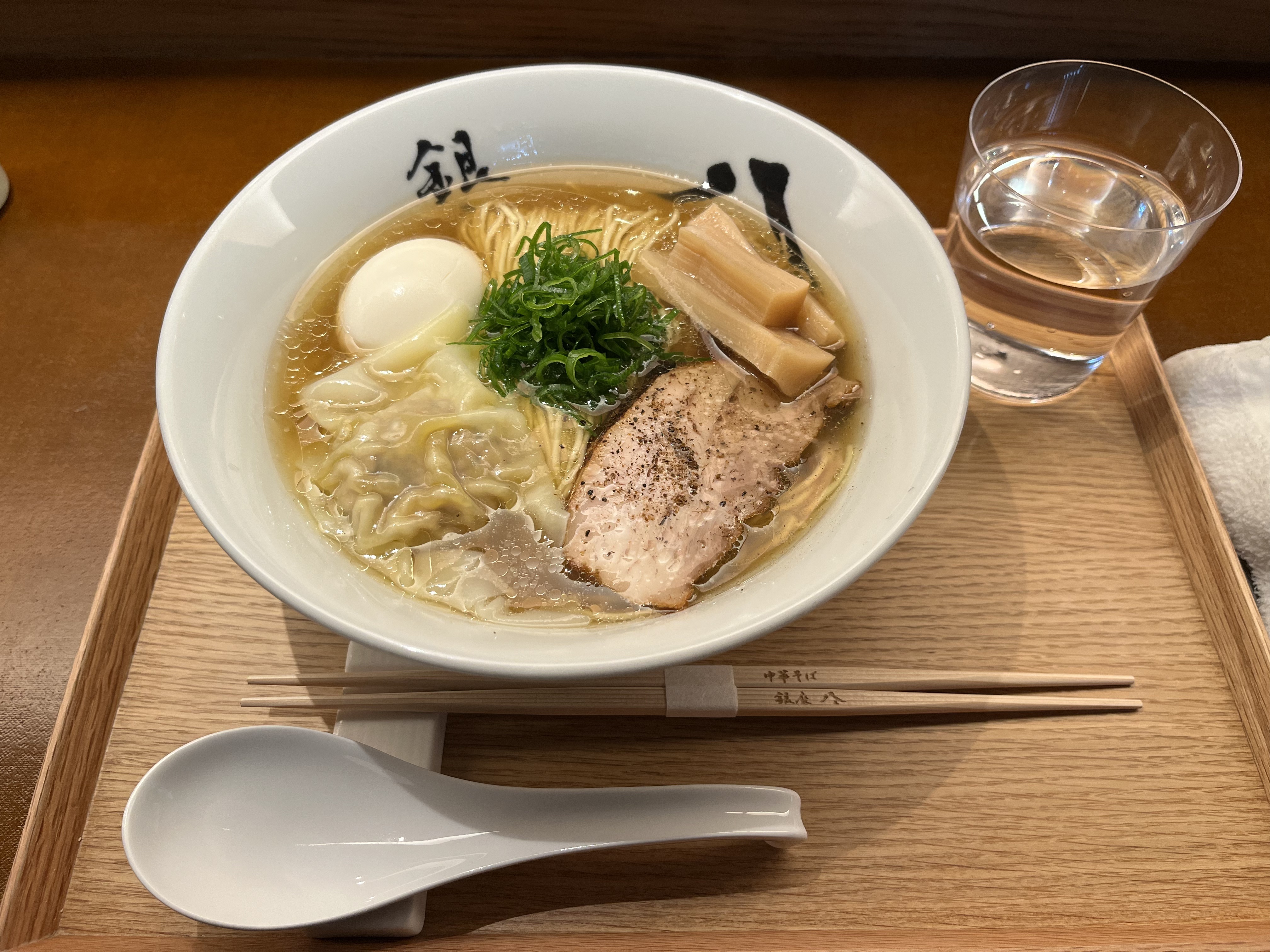
- Ginza Hachigou is a must if you like ramen and truffles, grab a reservation on TableCheck the Saturday the week before to avoid a wait. Otherwise, it’s essential to show up 15-30 minutes before opening to queue for a chance to eat
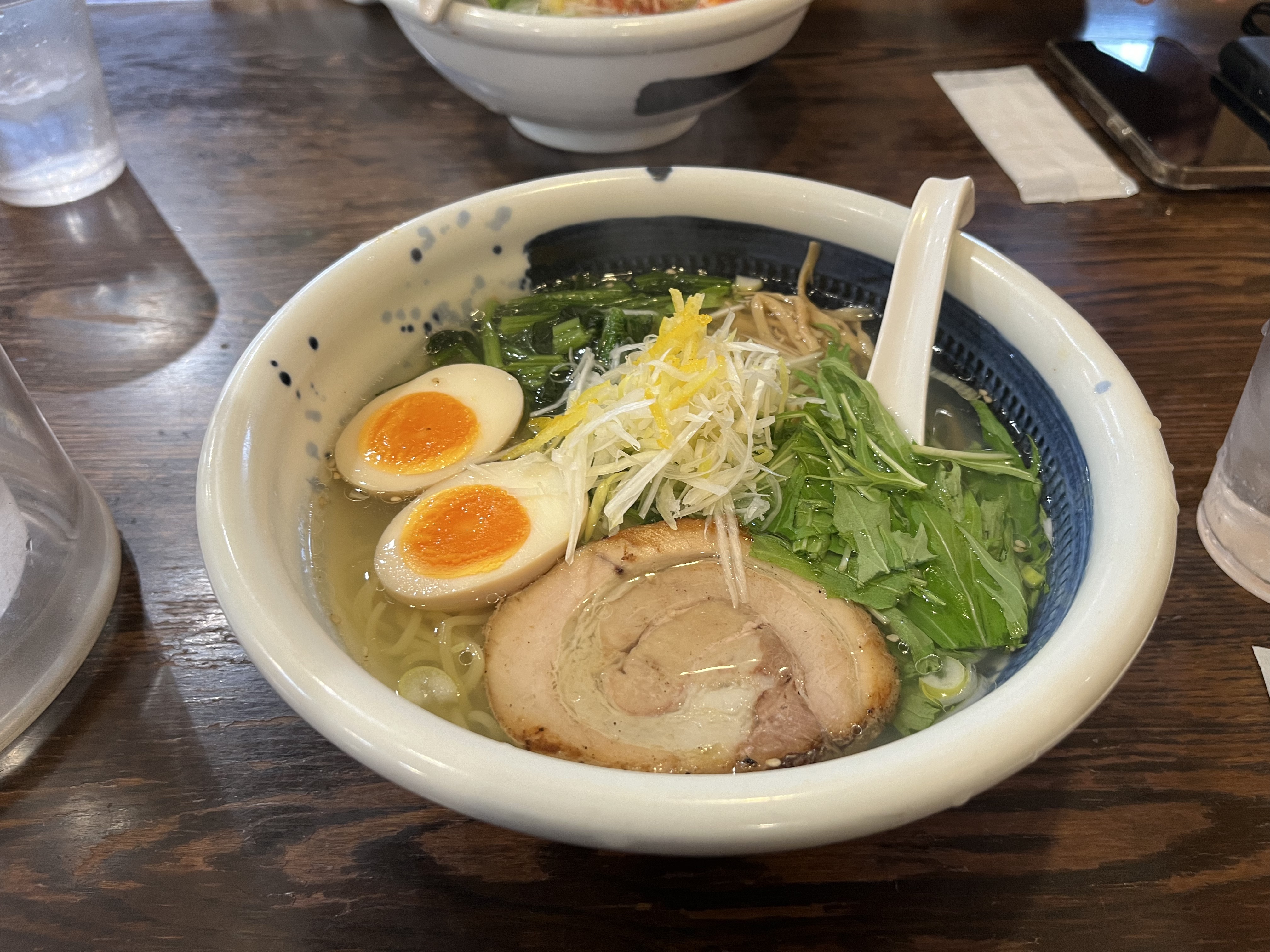
- Godaime Hanayama Udon – known for their flat udon served both cold with a sesame dipping sauce and in hot soup – I love both! They don’t take reservations so lines can be quite long; there’s both a location in Ginza and Nihonbashi in close proximity as well as at Haneda airport. If you’d rather spend time exploring – I’d try this at Haneda instead of waiting in line downtown! If you’re trying to walk in – get there ~30 minutes before opening to make first seating at the Nihonbashi location.
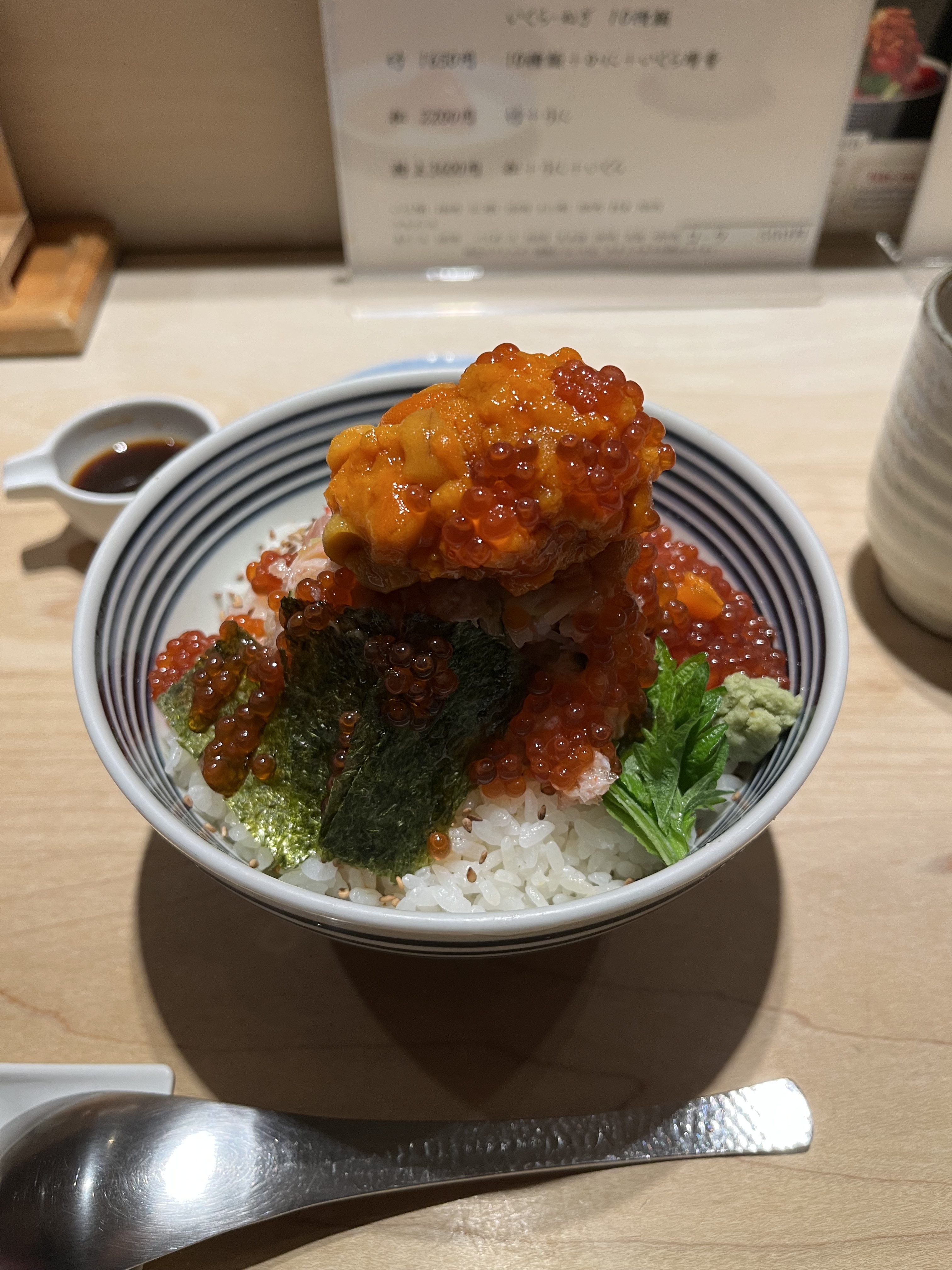
- Tsujihan – the viral seabream and tuna chirashi eaten two ways. Try the chirashi bowl first and save some rice and fish for the seabream broth. Walk-in only – queue before opening to avoid a wait. From my experience – the Akasaka Ark Hills and Kagurazaka locations are less chaotic than others. I was able to dine at the Akasaka location on a Saturday night at 7pm with only a 15 minute wait, and made first seating at the Kagurazaka location by arriving ~20 minutes before opening. I would avoid the Nihonbashi location as it can get quite busy.
Fancy
- Floriege – best value for a 2 Michelin star lunch in Tokyo (and possibly anywhere?). At roughly ~$80 USD for a generous 5 course tasting menu this is one place I like to visit on repeat. While the food is technically French, they use local Japanese ingredients and techniques so it feels like true fusion cuisine. On my most recent visit, my favorite course was their take on a French Onion Soup. Can be reserved on Tablecheck one month in advance.
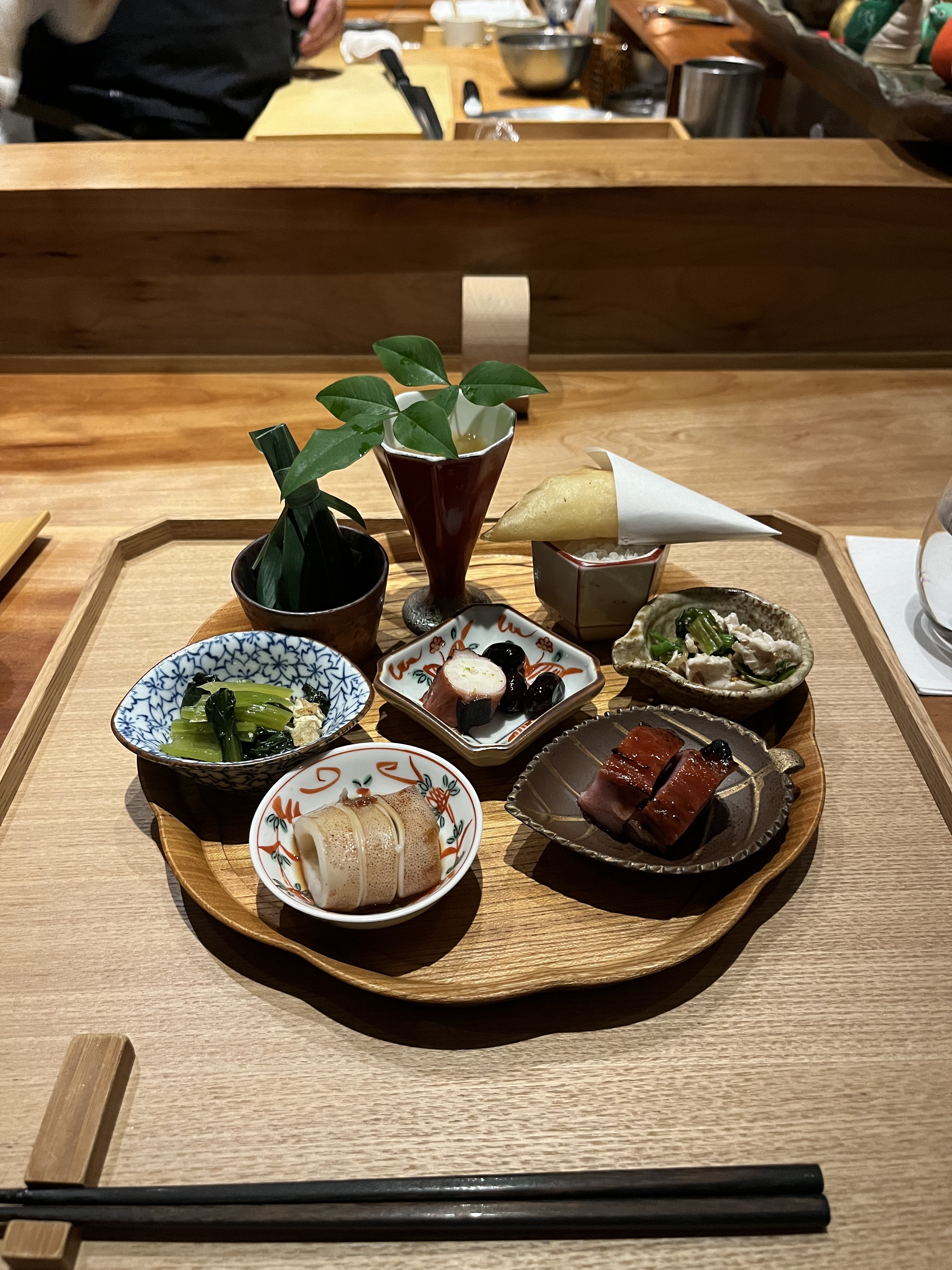
- Sumibi Kappo Shirosaka – my favorite upscale kaiseki experience in Tokyo. Super fairly priced for a delicious meal in an intimate and warm setting – the main seating area is a counter where you can see the chefs at work. This spot is less daunting for those who may be less adventurous eaters; the owner and head chef Hideki used to work at the consulate in New York, and I’ve found that they’ve been great at accommodating dietary restrictions. Of course, there’s still plenty of surprise and delight on the menu for those who crave it: I’ve been served fugu (blowfish) when in season and a delightful house made kakigori (shaved ice) for dessert. Book in advance on Tablecheck – space is limited so a reservation is likely needed
- Tempura Ginya – a really unique and singular experience to have real tempura. The chef is a master at his craft, and a similar counter set up to Shirosaka ensures you have the best view of all the food being prepared. It’s truly a one man show and the timing, precision, and quality is all impeccable – reservation is also needed
- Narisawa – you’ve likely seen their signature bread on Instagram (artfully prepared and proofed table side), the food here is classic refined cooking technique and gastronomy at it’s best. I’d describe it as more experimental than both Shirosaka and Ginya, but worth a visit nonetheless to experience some cutting edge fine dining! Service was impeccable and the dishes were all delicious; this is a harder table to get – reservations open a month in advance
Coffee
- Koffee Mameya – Omontesando is the original location and is described as a “bean shop” – sample multiple types of coffee beans; Kakeru is the newer shop to do a tasting menu of a single type of bean multiple ways (cold brew, mocktails, etc.). The Omontesando location doesn’t take reservations so go first thing in the morning. It’s more of a coffee bar for bean tasting and purchase. Kakeru is for sit-down tasting (which I thought was a bit expensive at ~$50 USD / person, but a worthy experience). Friends I’ve taken to Kakeru describe it as the highlight of their trip! They’ve really upped their food pairing game and showcase some of the best Japanese roasteries.
- Glitch Coffee Roasters – also a hyped spot so important to get there early. For coffee lovers who want bean recommendations.
- Coffee Shachu – very local, vibes-y coffee spot near Shimbashi that was great value (got a giant fluffy toast + an iced coffee for ~$5)
Dessert
- Jugetsudo – technically a tea shop, but has the best matcha ice cream I’ve ever had. Pick up some tea to take home and make sure to get an ice cream that you can eat outside in the courtyard (the shop is located on the 5th floor of a commercial building).
- Ikedaya Tea Store – Can get your Marukyu Koyamaen matcha fix here (yes it’s in stock! Make sure you know which quality you want and ask for it at the counter) but also make sure to order a matcha soft serve. The store is located in the basement of the Keio Department store but can be hard to find; the best tip I’ve seen is to navigate to the Keio Rolex store and follow the street facing staircase down to the B1 level where you’ll see stacks of tea shipments piled at the base of the stair case.
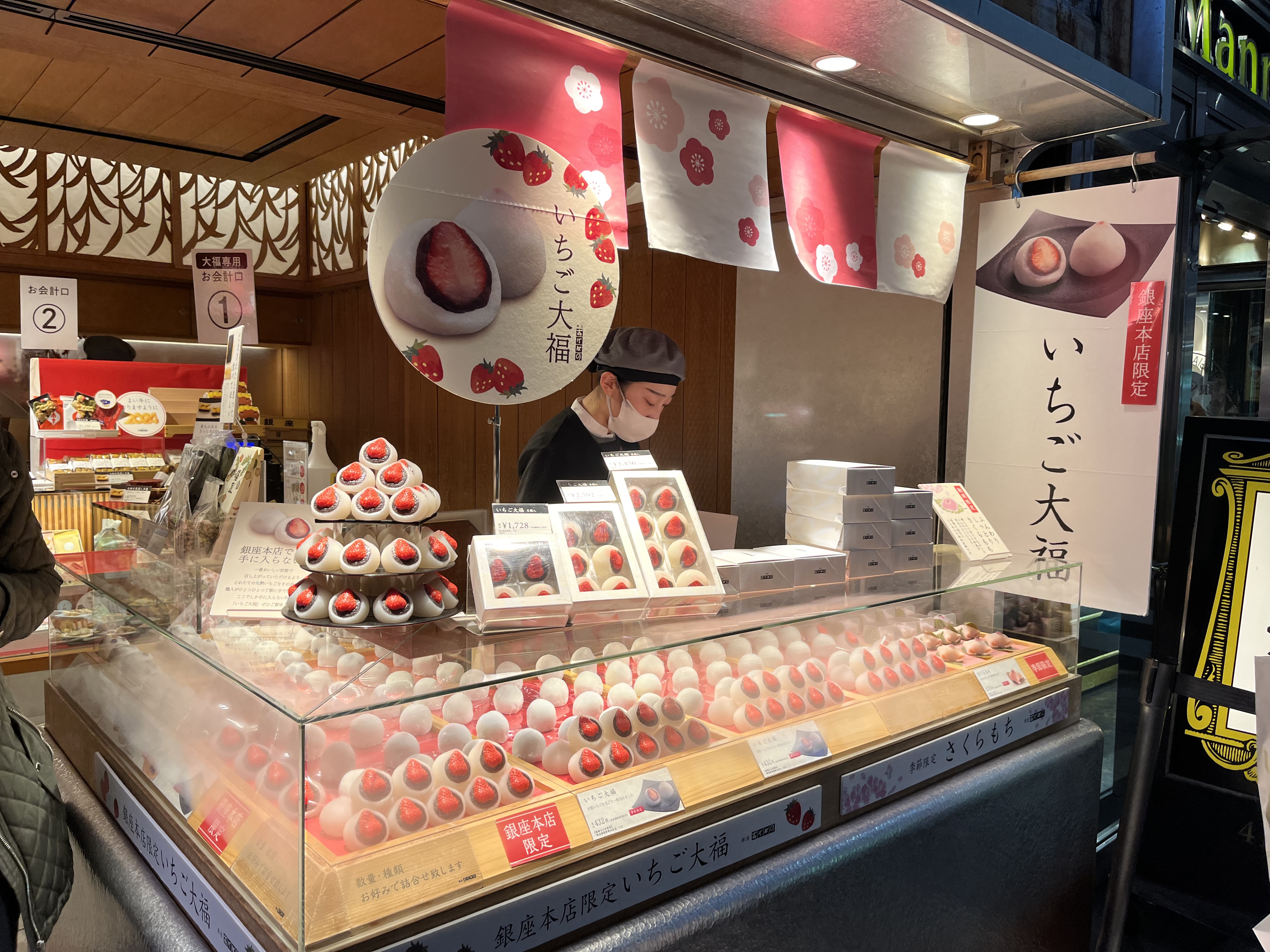
- Ginza Akebono – classic Japanese wagashi establishment; I love their mochi and try to make it a point to stop by.
Shopping
Convenience
- 7-Eleven, Family Mart, Lawson’s – these are everywhere! Try the egg salad sandwiches and if you need cash – get it from a convenience store ATM (7-Eleven ones have worked best for me).
- Don Quijote – also multiple locations across the city, you can spot it by their lively penguin mascot. It’s a bit of an “everything” store at reasonable prices (a Target / Walmart doesn’t seem like a fair comparison; this is somehow even more sensory). I love grabbing drugstore cosmetics at Don Quijote, and they have a great assortment of large luggages if you need one to take all your haul home!
Malls
- Shibuya Scramble Square – thought it was an amazing place to shop (close to the famous crossing). There’s a ton of Japan-only brands and thought the assortment here in particular was great on the upper floors (Public Tokyo, Journal Standard, Tomorrowland).
- LUMINE EST Shinjuku – amazing mix of Japanese brands including my favorites Ray Beams, Moussy, Onitsuka Tiger, and Refa. This mall is truly for the girls – most of the brands you’ve heard of or wanted to check out will be here (Cosme and Refa in the basement, 2 different Onitsuka Tiger stores in the same building, etc.). Ikedaya Tea Store (mentioned above) is in the train station attached to Lumine. Takashimaya department store is nearby (<5min walk) for more designer boutiques (customer service and selection at this Chanel is quite good, without the long lines) and so is Beams Japan (Japanese-made goods specialty store).
Home and Stationery
- Kappabashi Kitchen Street – technically a restaurant supply area, but if you’re a kitchen goods junkie it’s a must. I like Kitchen World LTD as a first stop which is very well stocked (everything from spoons to pots, to sometimes even Marukyu Koyamaen in stock!). Takaso had a beautiful selection of Japanese pottery (including some amazing nabe pots at reasonable prices). Finally – for those looking for new knives – Seisuke Knife had a great collection and the coveted Hasegawa cutting boards (note: Seisuke was slightly more expensive for the items than Kitchen World – Kitchen World had some insane deals like the pro Hasegawa cutting board which retails for $400 USD in stock for <$200).
- Akomeya – tightly curated home goods store with a mini cafe. I loved their assortment and the focus on quality is really evident. The store is quite small, so I wouldn’t expect to find everything here.
- Loft – legendary stationery store with multiple floors to explore. Leave plenty of time to peruse and don’t be surprised if you leave with more than a few impulse purchases. Stationery seems inadequate to describe the store; they feature and highlight local Japanese designers and artisans -think more a several story version of a Japanified MoMA Design Store.
- Itoya – conceptually similar to Loft, sprawling stationery supplier with floors of papers, pens, refills, etc. as well as some home goods and odds and ends!
Women’s Apparel
- Shel’tter – my absolute favorite store in Tokyo. Well priced but trendy and cool multibrand store including Moussy, Sly, and more – made by Baroque. Load up on Moussy Vintage denim (which goes for 3-4x the price in the US!) and their seasonal styles.
- SHIPS – love their assortment which is playful and slightly higher quality, I find it to be like a Japanese equivalent of Jcrew/ Club Monaco/Banana Republic. They offer both mens and womenswear.
- Uniqlo / GU – well known but underrated; it’s even more affordable in Japan. Younger sister brand GU is harder to find in the US but also offers trendy, well priced pieces. The Uniqlo flagship stores offer embroidery on items which is a cute souvenir, although it can take several days to turnaround.
- Tomorrowland (esp. CABaN has a great selection of high quality, more interesting basics. I particularly like the botanical prints from CABaN
- Beams – has several brands, I particularly like Ray Beams and Vermeerist, Boy by Beams (a girls brand confusingly!) is younger and more streetwear oriented.
- United Arrows – has many outposts in Tokyo alone (as well as other major Japanese cities). Also known for slightly more innovative basics with both lower end (Green line) and higher end offerings.
- Niko and… – I find to be unmatched for casual basics – their jeans selection is a must especially if you’re petite and is very affordable (think most things <$80 at full price). They also make great bags and accessories; they have a location in Shibuya as well as further out near Toyosu.
Vintage
- Amore / Qoo – these are the typical spots you’ll see on social media (esp. the Amore Chanel store which is a separate outpost- recognizable by the hot pink everywhere). I find the selection at Amore and Qoo to be more curated and interesting than the average consignment store, but you also pay a price for it. Don’t expect great deals at these places, but they’re still worth a visit if there’s a particular rare item you’re searching for.
- Shimokatazawa – Japanese vintage wonderland. A bit out of the way but this area has scores of vintage shops that would be nearly impossible to peruse in just one day
Musts
- Senso-ji Temple – a lot more lively, there’s a ton of vendors selling stuff around here. It’s located in Asakusa
- Meiji Jingu Shrine – more of a park-like setting
- Golden Gai / Omoide Yokocho / similar bar streets – well priced eats in a tiny alley! Mostly izakayas (Japanese bar style food), lots of skewers and tapas-style small plates. There’s a lot of variety in these alleys – just make sure to bring cash!
- TeamLabs Planets and TeamLabs Borderless – would buy your tickets online in advance! It gets crowded – best to go when they open at 9am, or later in the afternoon. Instagrammable interactive art installation type thing that was pretty cool
- New York Bar is a classic (made famous in Lost in Translation), there’s a lot of really gorgeous and scene-y bars in Tokyo in general. I think it’s much more worth it to grab a drink at a rooftop bar + see the skyline vs. paying to go up Skytree
- Arcades – these are almost everywhere. Taito Station is a big chain, games should cost ~100 yen each to play (any more than that – it’s an especially expensive location). I’ve played a lot of Taiko Drum Master. Also make sure to do a photobooth – these are heavily stylized and so fun to take home / look at later!
- Day trips / Mt Fuji – Hakone is one of if not the most common day trips out of Tokyo. I’ve tried to do the gondola + pirate ship cruise there, but the weather was bad (rainy and high winds) so it was all closed. This is a pretty common experience unfortunately in the summer which is the rainy season in Japan. Thought it was still fun to go out of the city and spend time in the mountains and we stayed at a ryokan which was a unique experience.
Skips
- The fish market (Toyosu now, prev. Tsukiji which no longer operates as a fish market) is not very remarkable. (Toyosu is pretty close to teamlabs though FWIW) – you don’t get to see much, and the restaurants there aren’t that good and have super long waits.
- Tokyo Tower / Tokyo Skytree – I’ve gone up Skytree before, not necessary. It’s fun to just walk around the area near Skytree – there’s a great mall complex at its base called Solamachi with lots of cool stuff and character theme stores (like a Pokemon Center, Kirby Cafe, etc.) that would make great souvenirs.
Where to Stay
While I’ve stayed across the city, I’m partial to finding accomodations in midtown Tokyo (Minato district) for optimal accessibility and the shortest commutes across the city.
My personal favorite area to stay is Akasaka – which is mostly known as the area in Tokyo where many foreign consulates are based. It’s a neighborhood that feels lively in all the right ways (lots of people and locals around, happening restaurants and nightlife) without being overwhelming or chaotic (for me – Shibuya and Shinjuku are too much). It also happens to feature access (<10 minute walk) to 5+ train lines, which makes getting anywhere in the city incredibly easy.
As an added bonus – many of the popular restaurants mentioned below have a below-the-radarr outlet in Akasaka itself (Sushi No Midori, Sushi Ginza Onodera) or easy walking distance (Tsujihan, Sushi Azabu, etc).
Super Hotel Premier Akasaka is not fancy but gets the job done. Very well located (including a Seven Eleven downstairs). Rooms are compact but clean and the location is truly outstanding for taking public transit.
Hotel Villa Fontaine Shiodome which is around the Ginza / Shimbashi / Shiodome area is super convenient for getting around. Not the fanciest, but larger rooms by Tokyo standards and very centrally located.
Hotel Niwa is a lovely stay at a reasonable price near Tokyo Dome, with several restaurants and stores nearby. Also more neighborhood oriented with quieter streets and more locals around.
Tokyo is a really big city so you have to more or less take the subway everywhere.
Getting Around
Tokyo has two subway lines – Tokyo Metro and JR Line (operated by separate companies). I’d recommend staying somewhere where both systems are accessible (<10 min walk).
Tokyo has a 48 hour metro pass (<$12) for tourists (ONLY works for Tokyo Metro), or you can also get the Suica transit card on Apple Pay (and just top up directly there!) If you go with a Suica – many places also accept Suica as payment directly (e.g., Uniqlo and larger chain stores), so you can spend any remaining balance before you leave at the airport.
Uber works in Tokyo – although it’s effectively a method for hailing registered taxis. Rates can be somewhat pricy for distances that aren’t particularly far, but it can be helpful in a pinch.
 UMAMI WORLD

Leave a comment